The Room Where Nobody Judges: Inside the Secret Screenings Where Filmmakers Finally Get to Watch Their Own Work
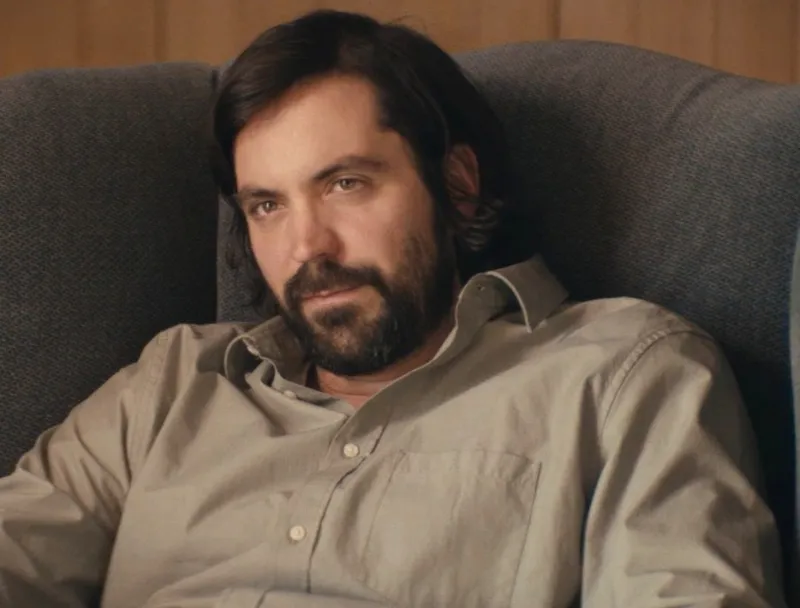
Photo: Elena Welles, CC BY-SA 3.0, via Wikimedia Commons
The invitations don't say much. An address, a time, sometimes a phrase like "bring something to sit on" or "dress warm." There's no title listed for what you're about to see. You were told about it by someone who was told about it by someone else, and the implicit understanding is that you don't post about it, you don't screenshot anything, and you don't bring anyone who wasn't specifically invited. You show up, you watch, and afterward you talk honestly.
This is how a quiet but remarkably durable circuit of underground film screenings operates across the country — in spaces that were never designed for cinema, for audiences that were never assembled by an algorithm, showing work that may never be seen anywhere else.
What the Festival Circuit Doesn't Give You
For independent filmmakers, especially those working outside the infrastructure of film schools and production companies, the festival circuit is often described in terms that sound more like a gauntlet than a celebration. Submission fees stack up. Acceptance rates at the major festivals are brutally low. The films that do get in are often the ones that fit a recognizable profile — the kind of work that reads as legible to programmers who are themselves answering to sponsors and trends.
What gets left out is enormous. Experimental work. Regional work. Work that doesn't fit genre categories cleanly. Films made by people who don't have the connections to get their screener in front of the right eyes. First features from directors who haven't yet built the kind of reputation that gets you fast-tracked past the first round of readers.
"I made a film that I believed in completely and I couldn't get it in front of anyone," says one filmmaker — she asked to be identified only as a director based in Detroit, which is how she refers to herself in the underground screening community. "Not because it was bad. Because it wasn't the right shape for the institutions that decide what gets seen."
So she started hosting screenings herself. In her garage, initially. Then in a church basement whose pastor was sympathetic. Then in a warehouse space that a friend of a friend had access to on weekends. The audience was small — ten people the first time, maybe twenty the second — but they were the right people. People who watched films seriously, who could give her something useful back.
The Space Matters as Much as the Film
There's a particular quality to watching a film in a space that wasn't built for it. The proportions are wrong. The sound bounces unpredictably. The seats, if there are seats, are mismatched — folding chairs, camping chairs, a couch someone dragged in from outside. The projector might be a professional unit borrowed from a film school or it might be a consumer-grade setup that someone's been tinkering with for years.
Filmmakers who've screened in these spaces consistently describe the experience as more intimate than any theater they've ever shown work in. The physical imperfection of the environment strips away the distance between the film and the audience. There's nowhere to hide behind production value. The work has to stand on its own.
"When I screened at a proper festival for the first time, after doing these underground showings, I was surprised by how separate I felt from the audience," says a filmmaker from New Orleans who's been part of the underground screening circuit for about four years. "At the small screenings, you can hear people breathing. You can feel the room shift. You know exactly when something lands and when it doesn't. That feedback is real in a way that applause at a festival isn't."
The Ethics of the Small Room
These screenings operate on a set of unwritten norms that are taken seriously by everyone involved. Honest feedback is the whole point — but the culture around how that feedback gets delivered matters. There's a difference between a filmmaker sharing work-in-progress with trusted peers and a filmmaker being subjected to an open critique. The best screenings in this circuit understand that distinction.
"We're not here to tear anything apart," says one organizer who runs occasional screenings in a warehouse space in Philadelphia. He's been doing this for three years, mostly showing work by filmmakers who live in the region and have nowhere else to screen. "We're here to be useful. There's a difference. Useful means honest, but it also means generous. It means assuming the filmmaker knows what they're doing and engaging with the work on its own terms."
The filmmaker gets to choose what kind of feedback they want. Some want detailed conversation. Some just want to watch the film with people who will take it seriously and absorb the silence afterward. Some want one specific question answered: does the ending work? The screening is organized around what the filmmaker needs, not what the audience wants to perform.
Building a Circuit Without Infrastructure
What's remarkable about this network is how it sustains itself without any formal structure. There are no membership fees, no boards of directors, no grant applications. Spaces are borrowed or used with informal permission. Projectors are shared or owned personally. The cost of hosting a screening is usually absorbed by the organizer, sometimes offset by a suggested donation that barely covers the cost of the extension cords.
What holds it together is reputation and reciprocity. Filmmakers who show their work at these events often become part of the audience for others. Organizers who build trust in their communities find that people come back and bring the right people with them. The circuit expands the same way all genuine underground culture expands — slowly, through relationships, without a press release.
"I found out about my first screening because someone handed me a piece of paper after a show at a bar," says the Detroit filmmaker. "That paper had an address and a time and nothing else. I showed up not knowing what I was walking into. That was three years ago. Now I'm one of the people handing out pieces of paper."
She pauses. "The work gets seen. That's the whole thing. The work gets seen by people who actually want to see it. I don't know if I need anything more than that."
