Warm Lines: The Independent Phone Operators Turning Late-Night Loneliness Into Something Real

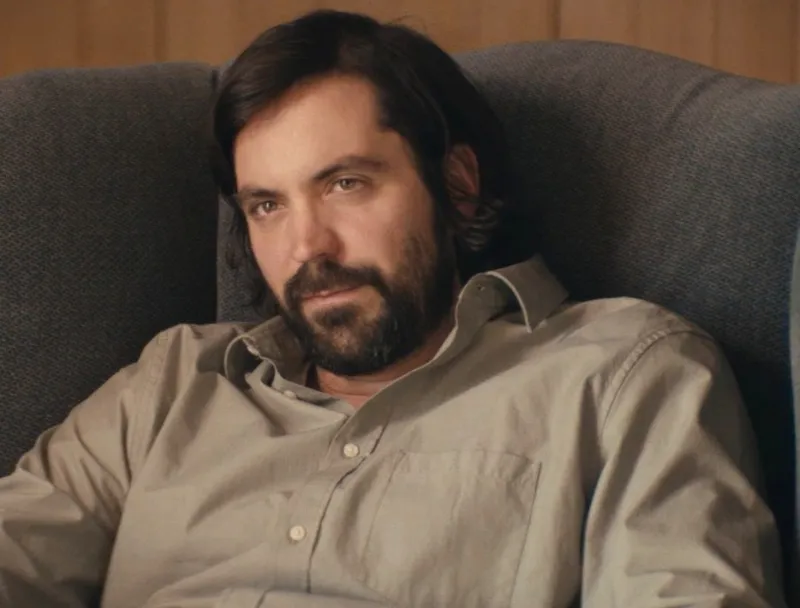
Photo by Photo by Alexandre Debiève on Unsplash on Unsplash
It's 2:17 a.m. somewhere in the middle of the country. Maybe it's a truck stop outside Amarillo. Maybe it's a studio apartment in Cleveland where the walls are thin and the silence is thick. The TV's on but nobody's watching it. The phone is right there.
For decades, calling a phone line like this was treated as something shameful — a punchline, a vice, a thing you didn't talk about. But spend any time talking to the people who actually do this work — the independent operators who've carved out their own small practices far from the corporate call centers — and a different story starts to emerge. What they're building, quietly and without any real institutional support, looks a lot less like a vice and a lot more like a community.
The Corporate Version Was Never the Real Thing
The big companies that dominated the phone entertainment industry through the '90s and early 2000s were always primarily extraction machines. Operators worked scripts. Calls were metered. The whole architecture was designed to keep you on the line as long as possible, not to actually give you anything worth holding onto.
What's happening now is structurally different. Independent operators — many of whom work from home, set their own hours, and manage their own client relationships — have effectively rebuilt the practice from the ground up on their own terms. They don't answer to a switchboard. They don't have a quota. They have, in many cases, regulars they've spoken to for years.
"There's this guy I've talked to every Thursday night for almost three years," says one operator who goes by a work name she's used since she started in 2019. She asked that her real name not be used, which is standard in this world. "He's a widower. He lives alone. He doesn't want therapy — he's tried that. He just wants someone to talk to who's actually present. That's what I do."
That's the part that gets lost in every lazy cultural shorthand about this industry: the presence. These aren't bots. They're not AI voice models. They're people, mostly women, who have developed a specific and genuinely difficult skill set — active listening, emotional regulation, the ability to hold space for someone without judgment — and who are deploying that skill set in one of the loneliest periods in American social history.
Networks Built on Trust, Not Platforms
Because independent operators exist outside the corporate infrastructure, they've had to build their own. And what they've built is, frankly, impressive.
There are private forums — not on Reddit, not anywhere easily searchable — where operators share resources, flag bad actors, discuss rates, and support each other through the emotional weight of the work. There are informal mentorship chains where experienced operators bring newer ones up to speed on everything from call management to setting emotional boundaries. There are group chats where someone can drop in at 3 a.m. to decompress after a particularly heavy call.
"We take care of each other because nobody else is going to," says another operator, based in the Pacific Northwest, who's been doing independent work for six years after leaving a call center job she describes as "soul-destroying." "There's no HR department. There's no union. There's just us, and we figured out pretty fast that the community we built for ourselves was the only safety net we were going to get."
This community has its own vocabulary, its own codes of conduct, its own ethics around what kinds of calls you take and what you don't. It operates almost entirely through word of mouth — clients find operators through recommendations from other clients, through small personal websites with no SEO optimization, through discreet listings on platforms that aren't Google-friendly. The whole ecosystem is designed to stay legible only to the people who need it.
Emotional Labor Is Still Labor
One of the persistent failures of the broader cultural conversation around this kind of work is the refusal to take the labor seriously. The emotional and psychological demands of holding space for lonely, sometimes desperate people across hundreds of hours of calls are not trivial. Burnout is real. Compassion fatigue is real. The operators who last in this world are the ones who've figured out their own systems of care.
"People think it's passive," says a third operator, who runs what she describes as a "very small, very intentional" practice out of her apartment in Austin. "Like you're just sitting there. But you're tracking tone, you're tracking what someone isn't saying, you're managing your own reactions in real time while also being genuinely present for another person. That's work. That's skilled work."
Some operators have started speaking openly — within their own networks, at least — about the need for formal recognition of what they do. Not necessarily mainstreaming it, but acknowledging that the labor has value, that the people doing it deserve to be treated with the same seriousness as any other care worker operating in the gaps of America's fraying social infrastructure.
What the Algorithm Can't Give You
Here's the thing about the current moment that makes what these operators are doing feel genuinely significant: the dominant platforms have had decades to solve loneliness and they have made it measurably worse. Every app promising connection has delivered engagement metrics instead. Every algorithm optimized for attention has optimized against depth.
And into that gap, at 2 a.m., there's a voice. A real one. Someone who picked up because they chose to be there, not because an app served them a notification.
"I've had people tell me that talking to me is the only time they feel like themselves," says the operator from the Pacific Northwest. "That's not a small thing. I take that seriously."
She pauses. "I think a lot of people are just waiting to be heard. And somehow this weird, stigmatized, misunderstood thing I do is one of the places where that actually happens."
There's something very American about that — the way genuine human need finds its outlet in the places culture has decided not to look too closely at. The underground, as always, filling the gaps the mainstream left open.