Static and Signal: Inside the Unlicensed Radio Stations Broadcasting on the Fringes of the FM Dial
The Frequency Nobody Owns
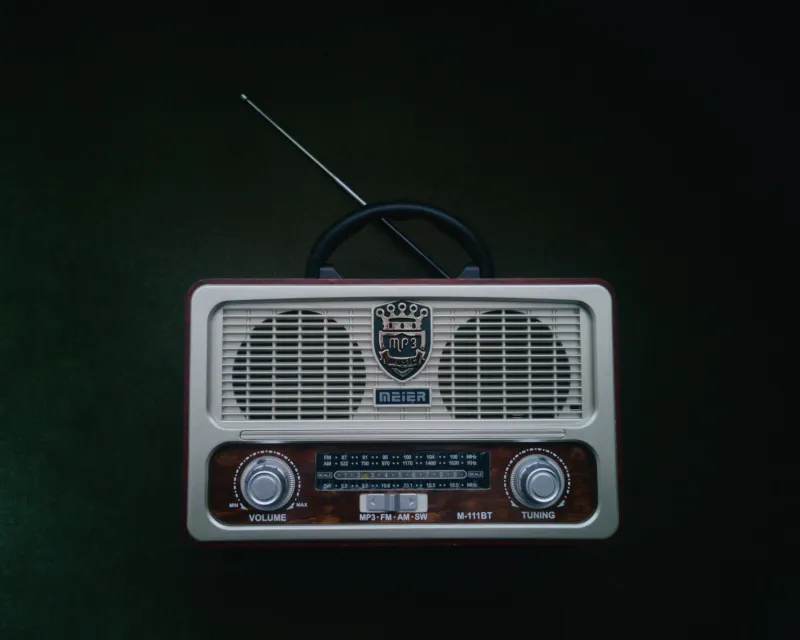
Somewhere in a city you probably know, there's a room with a transmitter, a microphone, a milk crate full of records, and a person who has decided that the airwaves belong to everyone. They're not streaming. They're not podcasting. They're broadcasting — old school, FM, over the air — to whoever happens to be tuned in.
Pirate radio is illegal in the United States. The FCC does not mess around about it. Fines start in the thousands and can escalate fast, equipment gets seized, and repeat operators have faced criminal charges. None of that has stopped it.
Across the country, in cities and small towns and rural stretches where the licensed dial is a graveyard of syndicated content and automated playlists, unlicensed broadcasters are transmitting to loyal audiences who find them, keep them, and protect them.
What Gets Played on an Illegal Radio Station
Forget the image of a college kid playing punk rock in a dorm room. The pirate radio landscape in 2024 is genuinely diverse, and the programming reflects the communities doing the broadcasting.
In South Florida, Haitian Creole stations have been a fixture for decades — playing kompa, broadcasting community news, and serving as a lifeline for immigrant neighborhoods that commercial radio ignores entirely. In parts of the rural South, gospel pirates fill gaps left by consolidation that swallowed up Black-owned stations during the 1990s and early 2000s. In cities like Chicago and New York, experimental music broadcasters push noise, free jazz, and electronic music that has no commercial home.
"We play what we want because nobody's paying us not to," says one operator in the Midwest who asked to be identified only by their on-air name. "There's no sales team. There's no format. There's no consultant telling me that jazz vocals test poorly with the 25-to-54 demo."
That freedom is the whole product.
The Technical Reality
Running a pirate station isn't as simple as buying a transmitter on eBay and flipping a switch — though it's not as complicated as it used to be either. Equipment has gotten cheaper and more accessible. A basic low-power FM setup can be assembled for a few hundred dollars. The range is usually a mile or two in dense urban environments, maybe more in open terrain.
Operators talk about the cat-and-mouse dynamic with the FCC in almost affectionate terms. The agency typically sends a warning letter first, then escalates if the station keeps broadcasting. Experienced pirates know to move equipment, vary their broadcast schedule, and keep the transmitter in a location that's not obviously connected to them.
Some have been operating for years without serious consequences. Others have been hit hard. The risk calculus is different for everyone, and it's often tied to how visibly the station operates — whether it advertises itself, how large its audience gets, whether it starts generating revenue.
The Listeners Who Show Up
What's easy to miss in conversations about pirate radio is the audience side. These aren't just hobbyist experiments — they have listeners who are genuinely attached.
In communities underserved by licensed radio, a pirate station can function as a real cultural institution. People call in. They request songs. They hear their neighborhood discussed in a way that NPR affiliates and commercial stations don't cover. There's a texture to locally-operated pirate radio that feels completely different from anything algorithm-generated, because it's made by someone who lives where you live and cares about what you care about.
"I've been listening to the same station for six years," says a listener in a mid-size Southern city who found the station while scanning the dial during a long drive. "I don't know who runs it. I don't need to. I just know that whoever it is has taste, and they're playing for people like me."
That anonymity is part of the appeal. The relationship between a pirate station and its audience is built entirely on what comes through the speaker. No brand. No personality cult. No merch. Just signal.
Frequency as a Political Act
There's a longer history here that the current moment sits inside. Community radio movements, low-power FM advocacy, and fights over media ownership have been playing out in the US for decades. The FCC's Low Power FM licensing program, created in 2000, was partly a response to pirate radio pressure — an acknowledgment that there was real demand for community-scale broadcasting that the existing system wasn't serving.
But LPFM licenses come with rules, costs, and bureaucracy that not everyone can navigate. And some operators aren't interested in legitimacy. They're interested in freedom — the specific freedom of transmitting to whoever picks up the signal without asking permission from anyone.
In a media environment where ownership is increasingly concentrated, where playlists are generated by mood data, where the same forty songs play on every format in every market, that freedom sounds less like a hobby and more like a position.
Tune in while you can. They don't always stay on the air.